
The Allure of Risk and Reward
The psychology behind gambling behaviors often revolves around the tantalizing allure of risk and reward. The excitement that accompanies the possibility of winning can trigger a rush of dopamine, the brain’s reward chemical. This reaction creates a cycle where the thrill of potential gains overshadows the risks involved. While the odds of winning are often stacked against the gambler, the anticipation of a lucrative outcome can lead individuals to overlook these unfavorable odds. Many players find themselves drawn to platforms like neosurf casino , which offer exciting features that enhance this experience. This phenomenon is known as the “gambling fallacy,” where players mistakenly believe that past outcomes influence future results. This cognitive bias can deeply entrench gamblers in their habits, making it difficult for them to assess their chances realistically.
Moreover, various studies suggest that the brain’s pleasure centers are activated during gambling activities, enhancing the addictive nature of these behaviors. For instance, frequent gamblers may experience a heightened sense of euphoria when placing bets, which reinforces their desire to gamble. This intricate relationship between risk-taking and pleasure underscores the emotional appeal of gambling, making it a compelling activity for many individuals despite the possibility of losing significant amounts of money. The thrill of risk, coupled with the societal acceptance of gambling as entertainment, serves to further entrench these behaviors in the lives of individuals.
The social aspect of gambling also plays a crucial role in its allure. Many people participate in gambling activities not only for the chance to win money but also for the camaraderie and social interaction that often accompany these experiences. Whether it’s the excitement of a poker game with friends or the electrifying atmosphere of a crowded betting venue, social dynamics can amplify the desire to engage in gambling behavior. This interplay of risk, reward, and social enjoyment makes gambling a complex psychological phenomenon that deserves deeper exploration. The social validation received from peers can often mask the potential negative consequences, leading to an escalation of gambling habits.
The Role of Cognitive Distortions
Cognitive distortions are thought patterns that can significantly influence gambling behaviors. Gamblers often engage in irrational thinking, leading them to believe they have control over random events. For example, many gamblers develop a false sense of skill or strategy, convinced that they can influence the outcome of a game through their decisions. This misconception can perpetuate gambling behavior, as individuals feel justified in their actions and continue to place bets, hoping their supposed skills will lead to success. This belief can create a cycle where the gambler becomes increasingly invested in the activity, often ignoring the statistical realities of the games they play.
Another common cognitive distortion is the “illusion of control.” Gamblers may believe that they can predict outcomes based on patterns or personal intuition. This belief can strengthen the urge to gamble, fostering a sense of empowerment that is ultimately misleading. Cognitive distortions like these contribute to problem gambling, as they can blind individuals to the realities of odds and the risks associated with their behavior. Understanding these cognitive missteps is essential for helping gamblers reassess their relationship with gambling, particularly when it comes to making informed decisions about their betting practices.

Furthermore, cognitive behavioral therapy (CBT) has proven effective in addressing these distortions among problem gamblers. Through CBT, individuals can learn to recognize and challenge their irrational thoughts, replacing them with more rational viewpoints. By reshaping their cognitive processes, individuals can gain better control over their gambling behaviors. This therapeutic approach underscores the importance of understanding the psychological underpinnings of gambling, enabling individuals to cultivate healthier habits and perspectives on risk and reward. The effectiveness of CBT in treating gambling disorders highlights the potential for psychological interventions to facilitate positive change in gambling behaviors.
The Impact of Environment and Marketing
The environment in which individuals gamble plays a significant role in shaping their behaviors and perceptions. From the design of casino interiors to the strategic placement of slot machines, marketing tactics are engineered to create an immersive experience that encourages prolonged gambling. Bright lights, upbeat music, and the constant flow of information blur the line between everyday life and the gambling world, creating an atmosphere that reinforces the desire to play. This manipulation of sensory experiences can lead to increased time spent gambling and heightened emotional reactions. The design choices made by gambling establishments are not accidental; they are carefully crafted to enhance the overall gambling experience.
Additionally, targeted marketing strategies designed to attract specific demographics contribute to gambling behaviors. Promotions, bonuses, and loyalty programs entice potential gamblers to engage more frequently. These marketing tactics often exploit psychological vulnerabilities, such as the promise of instant gratification and the pursuit of belonging. For example, advertisements may depict gambling as a glamorous and social activity, further encouraging individuals to participate. This intersection of environment and marketing can have a profound impact on gambling behaviors, making it essential to consider the external factors influencing individuals. The normalization of gambling through marketing can lead to increased participation and, in some cases, problematic gambling.
Moreover, understanding the role of environmental cues can lead to better strategies for responsible gambling. By recognizing triggers and implementing changes to their surroundings, individuals may reduce their impulse to gamble. For example, creating a more mindful environment can promote healthier decision-making and reduce the likelihood of engaging in problematic gambling behaviors. Awareness of these influences is crucial in cultivating a responsible approach to gambling, highlighting the need for both personal accountability and broader societal change. The role of environmental design in gambling is an important factor that should not be overlooked in discussions about gambling behaviors.
The Social Influence of Gambling
The social dynamics surrounding gambling can significantly impact individual behaviors and attitudes towards betting. Group activities, whether at sports events or in casinos, foster a sense of community and camaraderie among participants. This social component is often a driving force behind many people’s decision to gamble. The shared excitement and thrill of potential winnings can create a bonding experience, leading individuals to perceive gambling as a socially acceptable or even encouraged activity. These social validations can amplify gambling behaviors and blur the lines between recreational and problematic gambling, making it essential to analyze how social contexts shape individual choices.
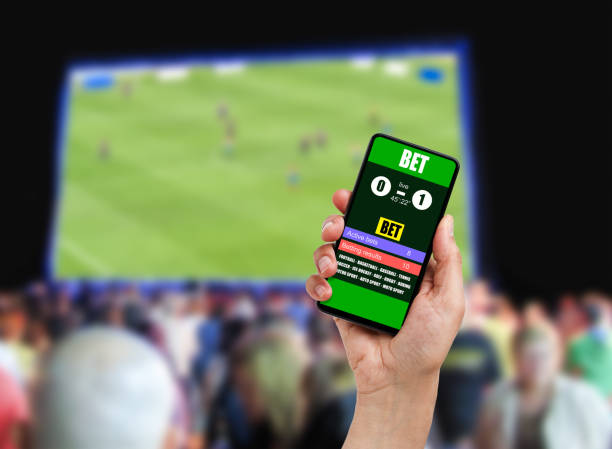
Peer pressure is another critical factor influencing gambling behaviors. Individuals may feel compelled to join friends or acquaintances in gambling activities, particularly if these events are framed as fun and socially beneficial. The fear of missing out (FOMO) can lead individuals to engage in gambling even when they may have reservations. This social pressure reinforces the idea that gambling is a normative behavior, compelling individuals to participate to maintain their social standing. Understanding these social influences is essential for fostering a more responsible gambling culture. The impact of peer dynamics cannot be underestimated when it comes to the decisions individuals make about gambling.
Additionally, the role of family can affect one’s gambling behaviors. In environments where gambling is normalized or even celebrated, individuals may be more likely to adopt similar patterns. Conversely, parental attitudes towards gambling can also instill a sense of caution or restraint. By addressing these influences, individuals and communities can work towards promoting responsible gambling behaviors. Creating a dialogue around the social factors that contribute to gambling can encourage individuals to reflect on their choices and consider the consequences of their actions. The integration of family values and social contexts into discussions about gambling can lead to more effective prevention strategies.
Further Insights on Gambling Psychology
Websites dedicated to gambling psychology provide valuable resources for understanding the complex interplay of emotions, behaviors, and societal influences in gambling. They offer insights into responsible gambling practices and highlight the importance of awareness around cognitive distortions and environmental factors. These platforms often feature articles, research studies, and support resources for individuals trying to navigate their gambling experiences. By providing educational content and fostering community discussions, these websites contribute to a more informed gambler population. Access to accurate information is vital for individuals seeking to understand the implications of their gambling habits.
Moreover, many of these resources include tools for self-assessment, helping individuals identify their gambling behaviors and understand how these habits can impact their lives. This self-awareness is crucial for individuals seeking to modify their gambling habits or address problematic behaviors. By promoting responsible gambling and offering support, these platforms play a crucial role in the ongoing conversation about gambling behaviors and their psychological underpinnings. The availability of such resources encourages a proactive approach to gambling, empowering individuals to make informed decisions about their participation.
In conclusion, exploring the psychology behind gambling behaviors reveals the intricate and multifaceted nature of this activity. From cognitive distortions to social influences, understanding these dynamics can empower individuals to make informed choices regarding their gambling habits. Engaging with specialized websites and resources can provide further insights and tools necessary for fostering responsible gambling, ultimately contributing to healthier behaviors and better outcomes for individuals within the gambling community. By continuing to investigate these psychological aspects, we can work towards creating a safer and more responsible gambling environment for all.